

Omega-3, Omega-6, Omega-9: balance for health and productivity of livestock
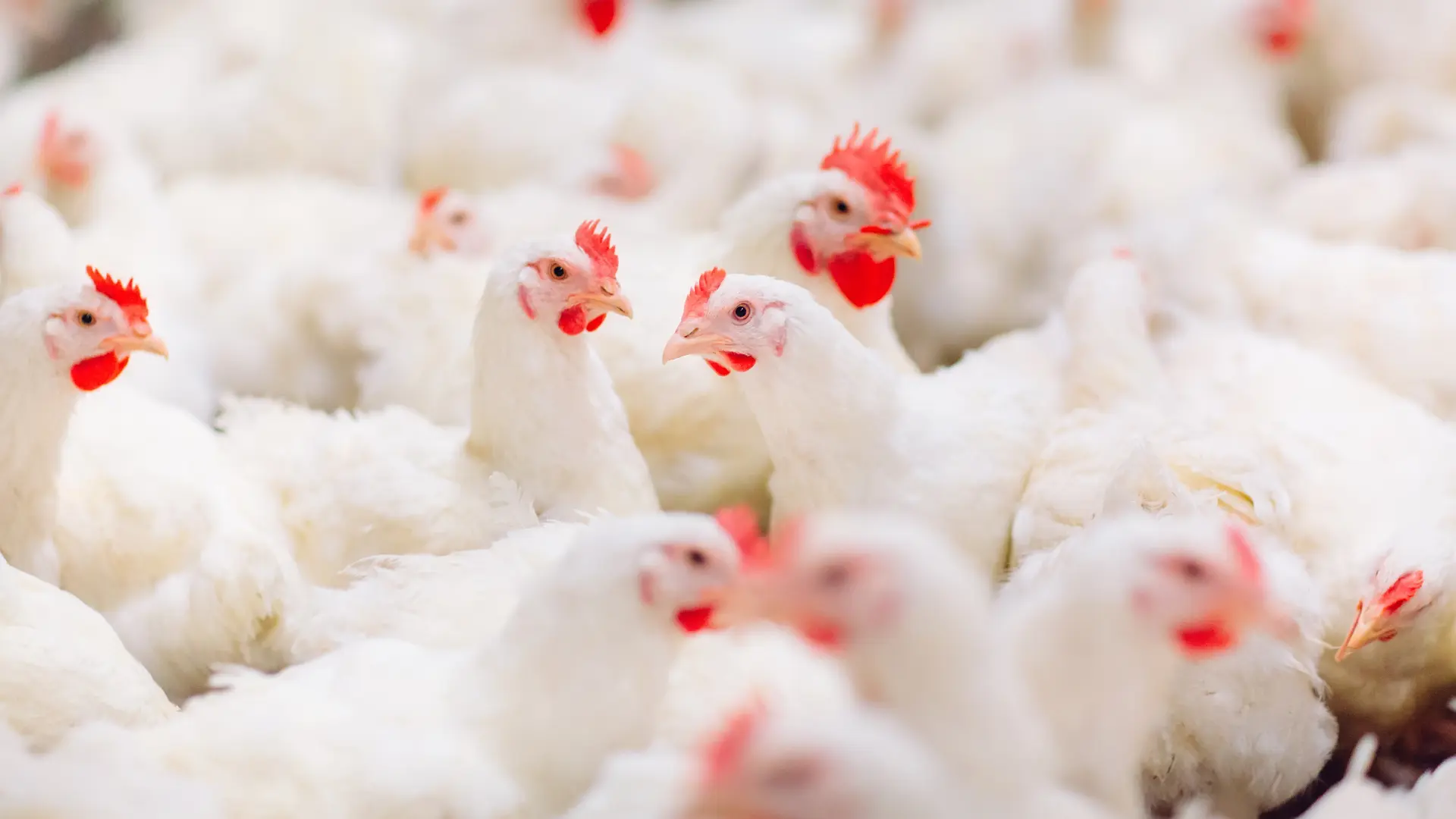
In animal husbandry, the main task of farmers is not only to ensure stable growth of animals, but also to maintain their health and high productivity. One of the key factors that directly affects these indicators is the balance of fatty acids in the diet.
Among them, Omega-3, Omega-6, and Omega-9 play a special role — three groups of fatty acids that determine the quality of metabolism, cell condition, immunity, and even meat quality.
What are Omega-3, Omega-6, and Omega-9?
Fatty acids are a source of concentrated energy for the body. They ensure normal cell function, participate in hormone formation, support the immune system, and affect reproductive function.
- Omega-3 (linolenic acid) is an essential fatty acid that animals cannot synthesize on their own. It has a powerful anti-inflammatory effect, supports the cardiovascular system, reduces stress levels, and promotes healthy growth.
- Omega-6 (linoleic acid) is responsible for cell growth, muscle tissue development, normal functioning of the reproductive system, and improving meat quality.
- Omega-9 (oleic acid) regulates metabolism and helps maintain stable energy levels in the body, promoting more complete absorption of nutrients.
Why is the balance between Omega-3, Omega-6, and Omega-9 important?
Omega acids work in conjunction with each other. An excess of omega-6 without sufficient omega-3 can cause inflammation, impair nutrient absorption, and reduce weight gain.
Conversely, the right balance of these acids ensures:
- stable growth and development of animals;
- strong immunity and resistance to disease;
- improved quality of meat, eggs, and milk;
- increased production profitability.
This balance is often disrupted in natural feed, so farmers must ensure it with modern feed additives developed based on precise scientific formulas.
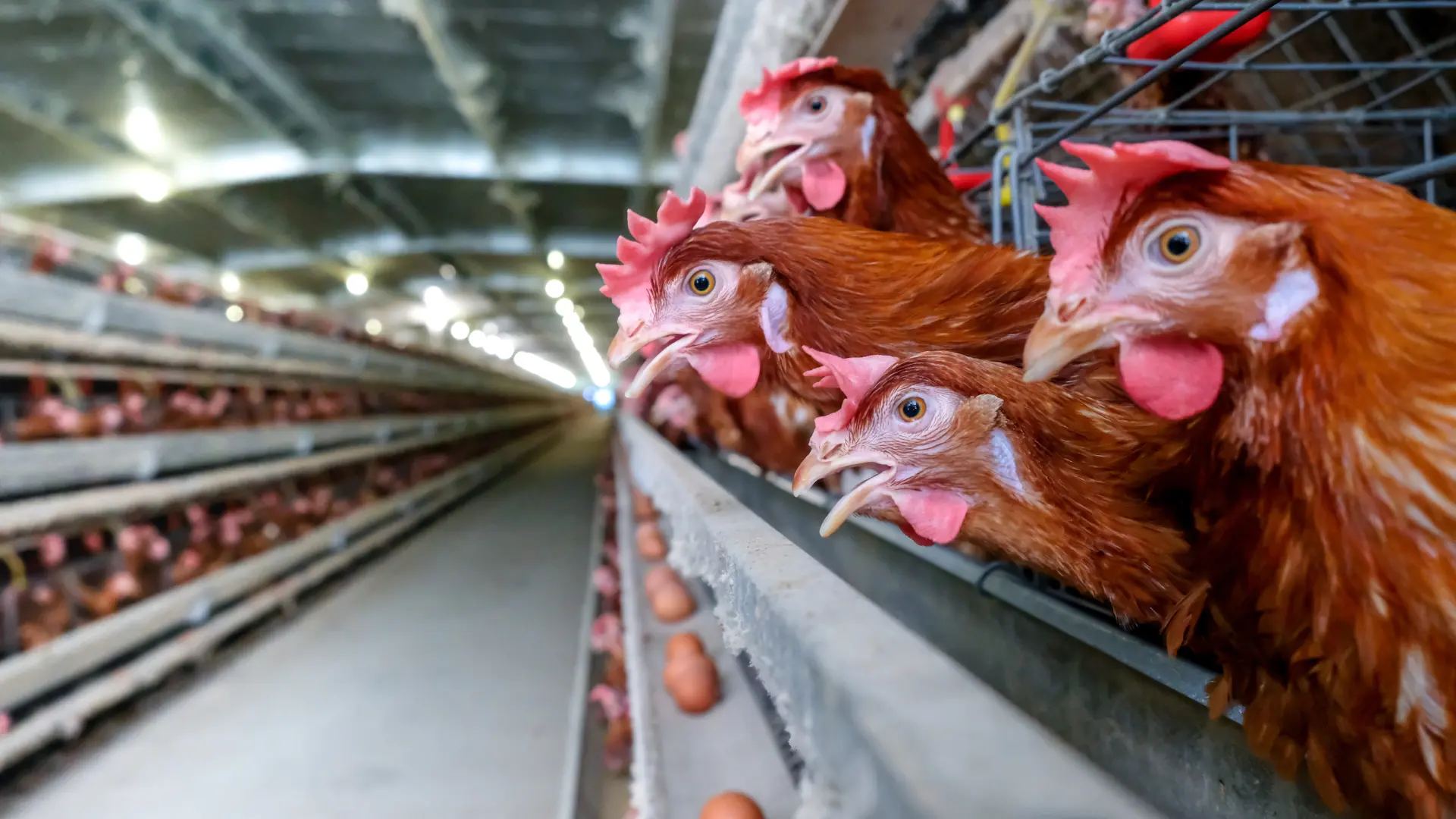
How omega acids affect productivity
Increased live weight gain. When the body receives enough omega-3, 6, and 9, the energy from feed is used more efficiently for muscle growth.
Better feed conversion. Fatty acids help the body absorb other nutrients, allowing for greater productivity with less feed consumption.
Strengthening of the nervous and immune systems. Omega-3 reduces stress levels in poultry and pigs, which has a positive effect on the overall condition and survival of the livestock.
Improved product quality. Meat becomes more tender, has an optimal content of healthy fats, and higher nutritional value.
Innovative solution from EcoProFeed
To provide animals with the optimal amount of essential fatty acids, EcoProFeed has developed ELC (Essential Lipid Complex) — a unique lipid complex with the right ratio of omega-3, omega-6, and omega-9.
Thanks to its nanostructured formula, ELC provides:
- complete absorption of fats without overloading the digestive system;
- rapid energy delivery to cells;
- increased weight gain and livestock preservation;
- feed savings and increased farm profitability.
Conclusion
The balance of omega-3, omega-6, and omega-9 is not just a feed ingredient, but the key to health, rapid growth, and high productivity in animals.
Modern technologies, such as ELC from EcoProFeed, allow this balance to be achieved as effectively as possible, providing farmers with stable results, healthy livestock, and greater profits.